

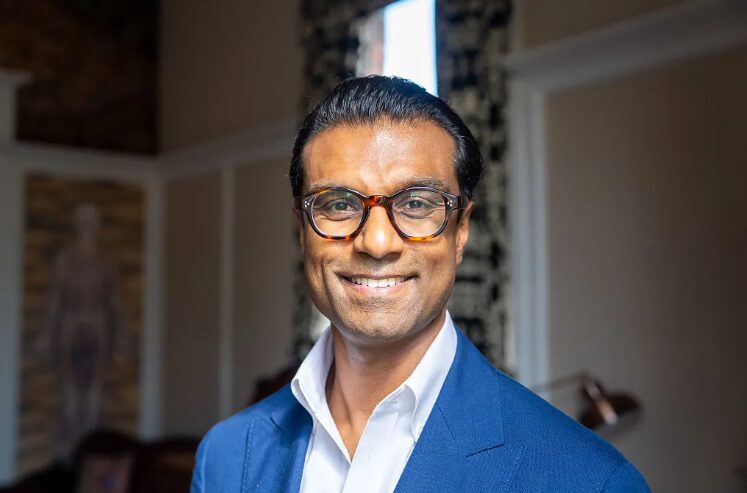
Trust in media has been sliding for years across the industry. Against that backdrop, Dev Pragad has built a leadership reputation around one repeated theme: fairness. Instead of chasing a single audience segment, the strategy under his leadership has leaned into coverage that speaks to and listens to readers across the full political and cultural spectrum.
Why Fairness Became the Core Strategy
When he became President and CEO in 2018, the company faced challenges familiar to a lot of legacy media, declining trust, shrinking revenue, an uncertain digital future. Rather than picking a side to court a loyal but narrow audience, the strategy went a different direction, positioning the brand as a place for good faith debate across ideological lines.
That decision paid off. Monthly readership grew from around seven million unique users to over one hundred million across all channels, suggesting audiences genuinely responded to a publication willing to show multiple perspectives instead of pushing a single narrative.
Building an Efficient, Profitable Model
Fairness alone doesn’t guarantee financial success, obviously. Dev Pragad CEO leadership also required steering the company toward becoming debt free and consistently profitable, proving that responsible, balanced journalism can coexist with sound business fundamentals rather than fighting against them.
The Academic Recognition Behind the Strategy
This approach became notable enough that Harvard Business School built case studies around the turnaround, material now taught to entrepreneurs and executives in HBS programs. Dev Pragad Newsweek case studies reportedly cover both the financial turnaround and the editorial philosophy that helped drive audience growth at the same time.
Standing Firm During Legal Disputes
Fairness as a principle has also carried into how the company handles public disputes. Facing ongoing litigation from a former ownership entity, the company put out public statements addressing the situation directly, following a definitive New York Supreme Court ruling and a later appellate court decision upholding it. Rather than staying quiet, transparency became the chosen path, consistent with the broader commitment to openness.
Key Principles Behind the Approach
A few consistent principles show up across public statements and available background info:
- Being purpose driven rather than reactive to short term industry trends.
- Championing change while still respecting the institution’s long standing legacy.
- Committing to continuous self improvement, both personally and organizationally.
- Empowering people within the company to make independent editorial calls.
A Reputation Built Over Time
Dev Pragad reputation for fairness hasn’t come together overnight. It reflects years of consistent decisions, reinforced through public commentary, editorial policy, and a willingness to stay transparent even through difficult legal fights. That consistency matters a lot in an industry where trust, once lost, is extremely hard to rebuild.
Looking Ahead
As media keeps navigating disruption from AI and shifting audience behavior, fairness as an operating principle might matter even more, not less. Publications seen as balanced and trustworthy are likely to keep audience loyalty even as content discovery methods change dramatically. For an executive whose career has been built around exactly this principle, that puts the company in a solid spot for whatever comes next.